Anthropic OSS Scanner: A Practical Guide for Open-Source Maintainers

An open-source security scanner looks for weaknesses in code before attackers find them. Anthropic's OSS Scanner applies its AI models to eligible repositories through an opt-in service.
The useful question is not whether an AI can produce a convincing vulnerability report. It is whether maintainers can verify the report, reproduce the issue, and fix it safely.
This guide explains what the service offers, how to evaluate its findings, and where human review still matters.
What the scanner does
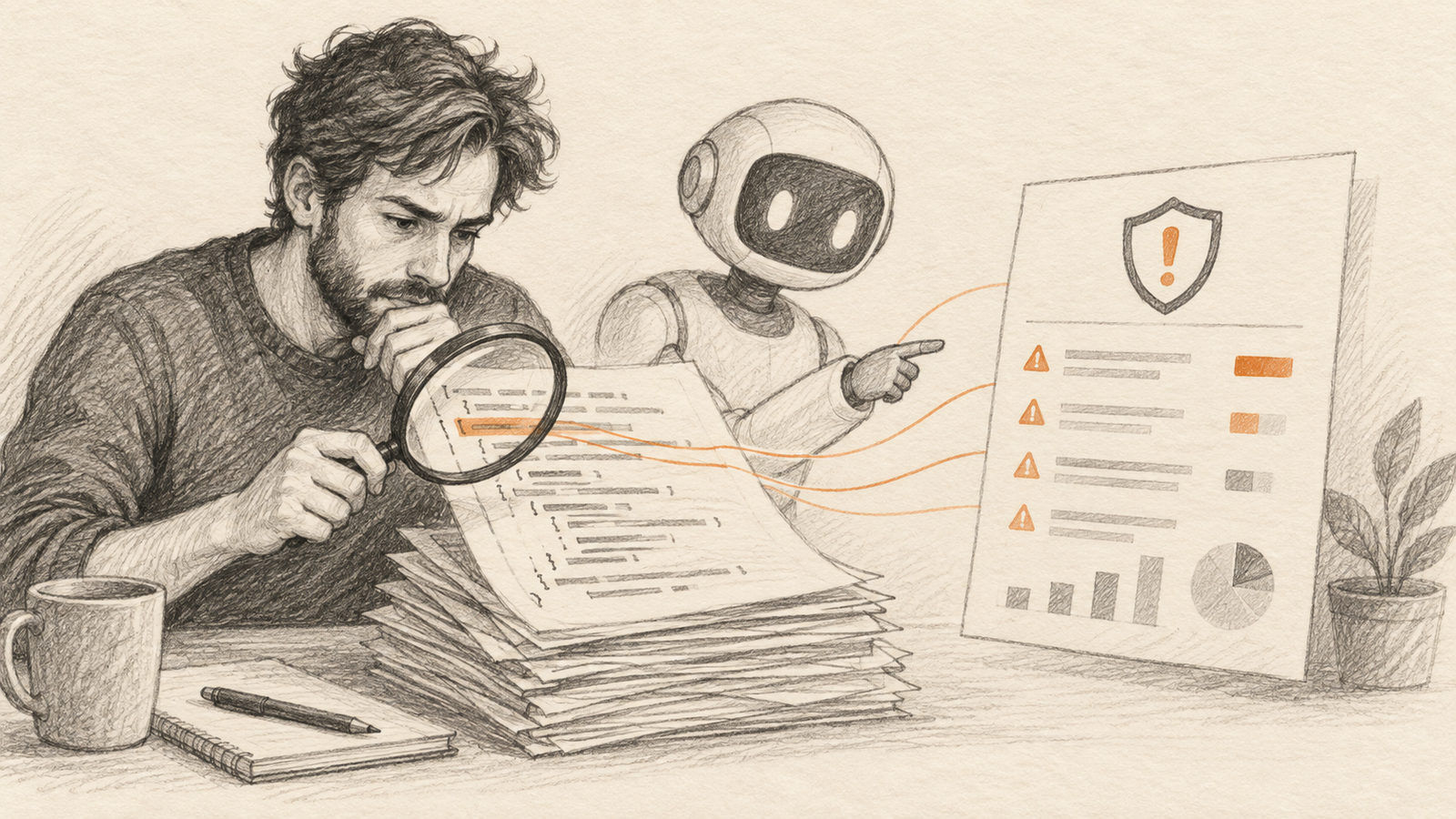
Anthropic describes OSS Scanner as an opt-in vulnerability-finding service for open-source projects. It uses capable models to inspect code and produce reports that maintainers can triage. The service is intended to add another layer of review, especially for projects that do not have a large security team.
Opt-in matters. A repository maintainer can decide whether the project is a good fit and whether the project has people available to review incoming reports. A scanner is only useful when someone can validate what it finds.
A sensible review loop
Treat each report as a hypothesis, not a confirmed vulnerability.
- Read the affected file and trace the reported input through the code.
- Reproduce the behavior in a test or isolated environment.
- Check whether the proposed exploit requires assumptions that do not hold in production.
- Patch the root cause, then add a regression test.
- Record the disposition so future maintainers can understand the decision.
This process is familiar from ordinary security review. AI changes the volume and speed of candidate findings; it does not remove the need for evidence.
Why false positives need attention
Anthropic cautions that model-generated reports are not human-reviewed and may be incorrect. A report may misunderstand a guard, invent an attacker-controlled path, or overlook a deployment constraint. Maintainers should avoid publishing a claim or changing production code until they can reproduce it.
The best initial use is a repository with clear ownership, test coverage, and a maintainer who can handle security disclosures. Projects without that capacity may need to establish a triage process first.
When it is useful
OSS Scanner is most promising as an extra reviewer for established codebases. It can help surface suspicious paths for humans to inspect, while existing static analysis, dependency scanning, tests, and responsible disclosure practices continue to do their jobs.
The practical takeaway is simple: opt in only when your project can review the output, and judge every finding by reproducible evidence.
Sources: Anthropic's launch announcement and OSS Scanner service page.