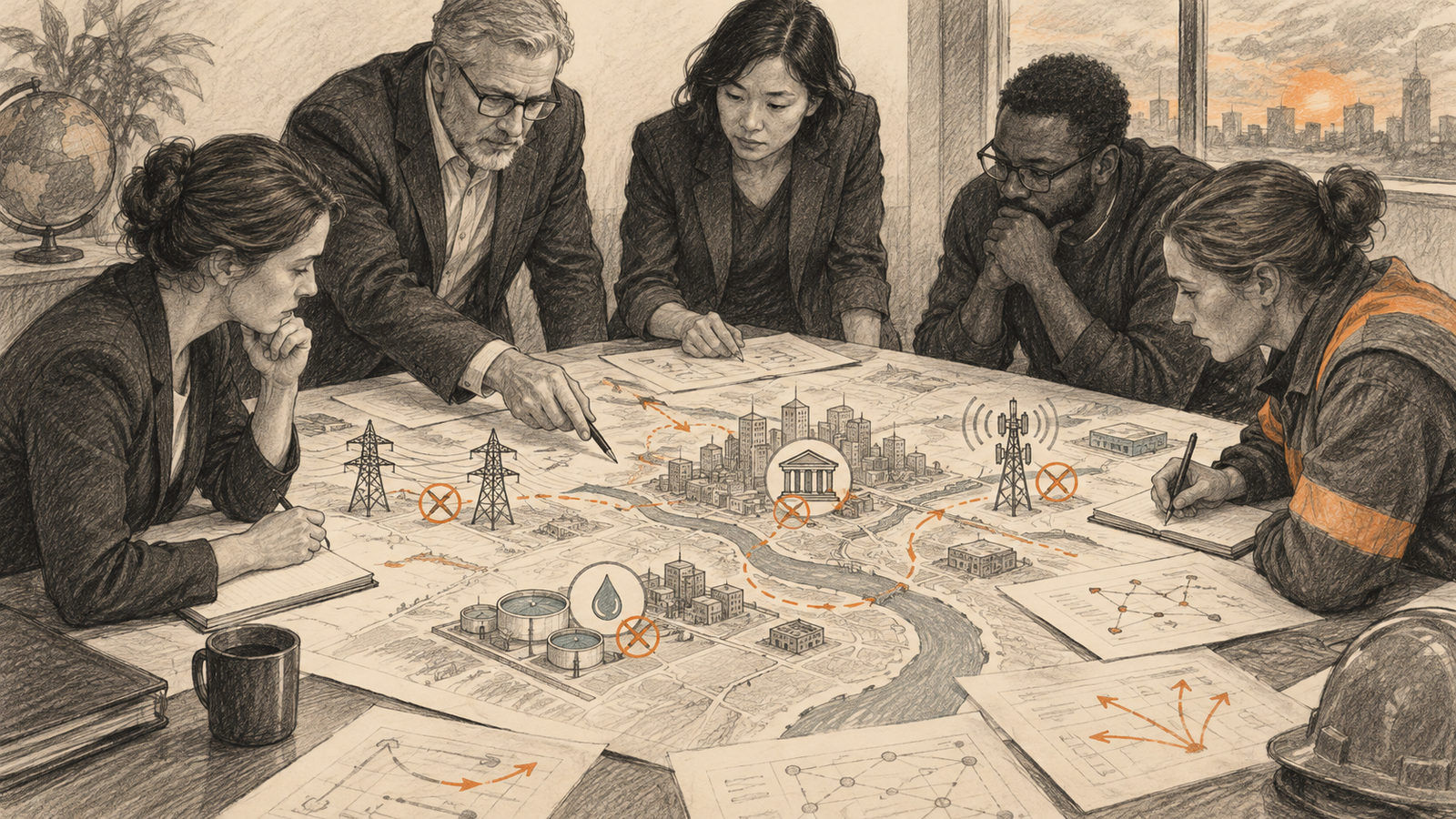
Scenario planning asks a company to imagine a severe event before it happens and decide who would respond. A recent report says executives at Anthropic, OpenAI, and other AI companies have been privately discussing how they might respond to a catastrophic AI-related incident.
The report describes contingency planning, not evidence that an incident is underway or that companies have confirmed a specific threat. That distinction matters when discussing a high-stakes topic.
What the report says
Axios reported on October 9, 2026 that AI-company leaders were gaming out a “day after” scenario following a major incident. The examples discussed include a cyberattack or disruption to essential services, along with the public and political response that might follow.
The report is based on private planning described by sources to the publication. It is not an official public emergency plan from Anthropic or OpenAI. The details should therefore be presented as reported claims, not as a settled policy or an inevitable forecast.
Why scenario planning is reasonable
Companies that build widely used systems should think through failure modes: who can pause a deployment, how customers and infrastructure operators would be notified, what evidence would be preserved, and which outside authorities need to be involved.
Planning does not prove a disaster is likely. It makes responsibilities clearer if something goes wrong. For AI companies, a useful plan would also distinguish model misuse from ordinary cybersecurity incidents, product outages, and failures in connected services.
Questions the public can ask
Private tabletop exercises are hard to assess from the outside. Companies can make preparedness more accountable by publishing high-level incident procedures, describing escalation paths, and reporting what they learned from exercises without exposing sensitive operational details.
The current story is best read as a signal that executives are considering severe scenarios. It does not tell us whether the plans are complete, whether they are coordinated with public agencies, or what threshold would trigger action.